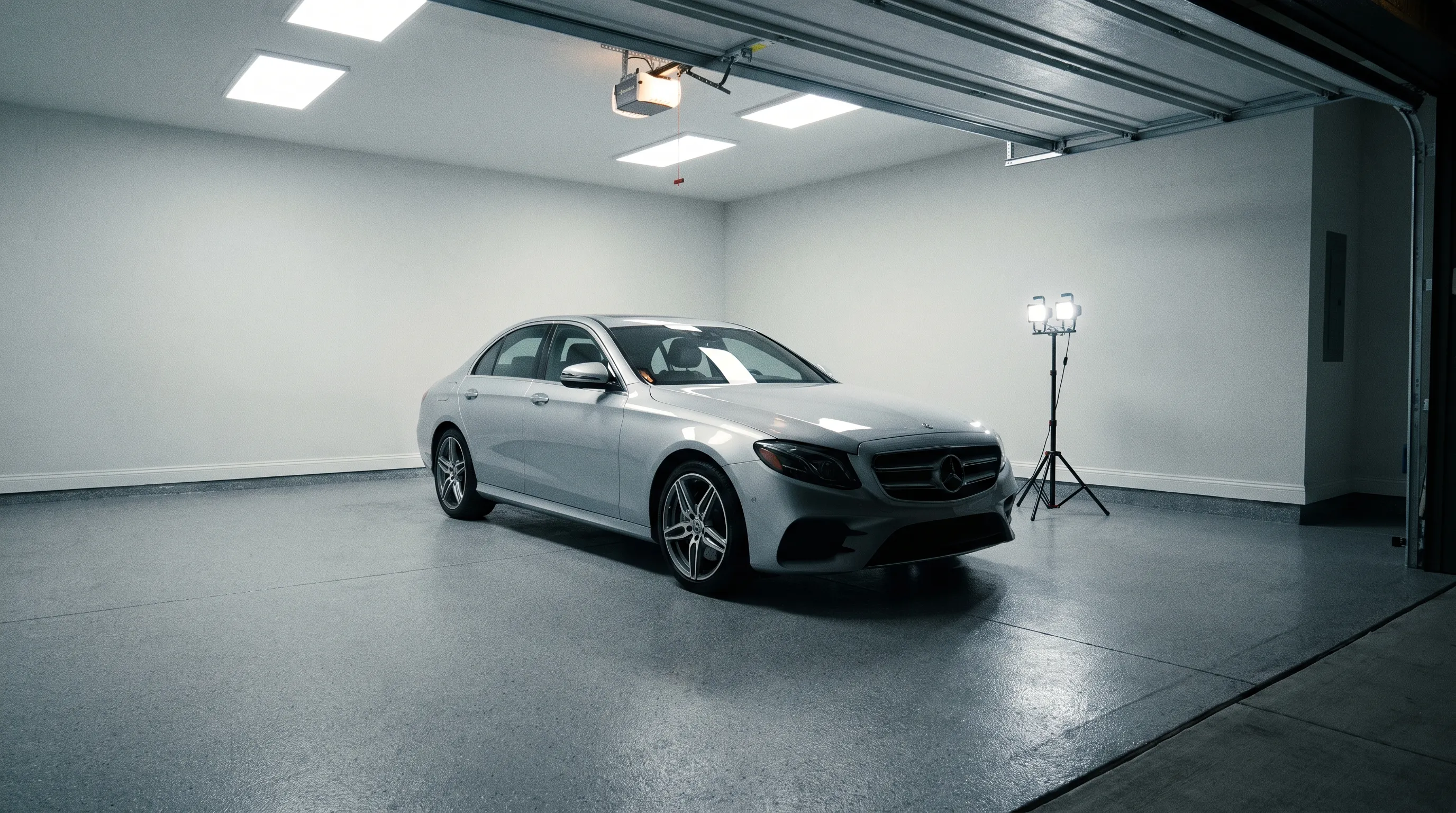
PPF for leased cars in Ontario can be worth the cost when it protects the panels most likely to receive stone chips, deep scratches, road rash, and winter contamination. It will not eliminate every lease-end charge, but it can prevent covered paint damage from becoming a reconditioning expense.
The most rational choice is usually targeted coverage rather than wrapping the complete vehicle. A full-front package protects the highest-impact panels while keeping the installation cost proportionate to a three- or four-year lease.
Is PPF Worth It for a Leased Car in Ontario?
For many Ontario drivers, yes—particularly when the vehicle is new, valuable, driven regularly on highways, or exposed to winter road conditions. The financial logic is strongest when one avoided bumper or hood repair could offset a substantial part of the installation cost.
A lease payment covers the vehicle’s expected depreciation based partly on an assumed return condition. Normal use is expected, but exterior damage beyond the lessor’s published limits may result in additional charges.
PPF does not increase the lessee’s ownership equity because the leasing company owns the vehicle. Its value comes from reducing the probability that covered damage will need repair before return.
The case becomes stronger when:
- The lease runs for 36–48 months.
- The vehicle receives substantial highway mileage.
- The front bumper and hood sit low to the road.
- The paint is dark, pearl, metallic, matte, or difficult to match.
- The vehicle will be driven through several Ontario winters.
- The customer may buy the vehicle at lease end.
- The vehicle represents a company or client-facing brand.
The case is weaker for a low-value, low-mileage vehicle used mostly for short urban trips. In that situation, door cups, the loading sill, bumper impact areas, or partial front coverage may provide a better return than full-body PPF.
What Ontario Lease Inspections Actually Evaluate
There is no single Ontario-wide scratch or dent threshold applied to every leased vehicle. The lease agreement and the finance company’s wear-and-tear policy determine what is acceptable.
Ontario consumers should review the contract to understand who decides whether wear is excessive and what charges can apply. Published lease-end guides commonly evaluate:
- Scratches, chips, dents, rust, and damaged paint
- Cracked glass, windshield chips, and damaged lamps
- Wheel and tire condition
- Interior stains, burns, cuts, and missing equipment
- Mechanical maintenance and warning lights
- Total kilometres above the contracted allowance
- Unauthorized modifications or poor-quality repairs
Thresholds differ between lessors. One current Canadian lease guide treats scratches that penetrate or crack paint as requiring repair, while another may also apply length, number, or panel-location limits.
This is why advice from a friend returning a different brand is not reliable. Read the guide issued for the specific lease and request a pre-return inspection before deciding which repairs are economically sensible.
PPF addresses only part of this list. It does not prevent excessive kilometres, curb rash, dents, worn tires, interior damage, missing keys, or neglected maintenance.
Which Lease-End Damage Can PPF Prevent?
PPF is most effective against physical and environmental damage to covered exterior surfaces. Its aliphatic TPU carrier places approximately 7.5 mil-class protection between road debris and the clearcoat.
| Lease-return issue | Can PPF help? | Limit |
|---|---|---|
| Small stone chips | Yes—one of its primary functions | Large or sharp impacts can puncture the film |
| Highway road rash | Yes, on covered bumpers, hoods, mirrors, and rockers | Uncovered panels receive no protection |
| Light wash scratches | Yes, through the sacrificial and self-healing surface | Deep cuts may remain visible |
| Insect and bird contamination | Yes, by separating residue from factory paint | Residue still requires prompt cleaning |
| Winter salt and brine | Yes, on the covered painted surface | PPF is not underbody rustproofing |
| Parking dents | Limited | Film cannot stop panel deformation |
| Wheel damage | No | Requires careful driving or separate wheel protection |
| Windshield chips | Not with body PPF | Requires a dedicated windshield-protection product |
Ontario winter exposure strengthens the argument for PPF. Gravel, sand, liquid brine, frozen road debris, and frequent winter washing repeatedly strike the front bumper, hood, mirrors, rockers, and lower doors.
The covered paint remains isolated beneath the sacrificial film. This does not make the vehicle maintenance-free, but it can leave the return inspector looking at protected factory paint rather than several seasons of direct road wear.
The winter protection strategy is explained further in the PPF winter salt defense guide.
Windshield damage requires separate planning. Lease-end policies commonly inspect glass independently from body panels, so drivers with heavy Highway 401, 400, or regional highway exposure can also consider Crystal Vision Windshield Skin.
How Much PPF Makes Financial Sense?
The best lease package protects the panels with the highest damage probability. Buying the largest package without considering mileage, vehicle value, and return plans can weaken the financial case.
Full-Front PPF
A full-front package normally includes the front bumper, complete hood, complete front fenders, and mirror caps. For most Ontario leases, this is the strongest balance between cost and avoided damage.
Complete-panel coverage is preferable to a narrow partial-hood strip. It avoids a visible seam across the hood and protects the full painted surface from direct highway debris.
Additional zones may include:
- Rocker panels and lower doors
- Areas ahead of and behind the rear wheels
- Door edges and handle cups
- Rear bumper loading sill
- A-pillars and leading roof edge
- Gloss-black exterior trim
Crystal Premium Clear Bra is designed for clear factory-finish protection. Its hydrophobic top coat also makes winter road film, insects, and routine contamination easier to remove during the lease.
Full-Body PPF
Full-body PPF is not necessary for every leased commuter. It becomes more rational on high-value luxury vehicles, performance cars, rare factory finishes, matte paint, high-mileage executive vehicles, and leases where the customer expects to exercise the buyout option.
A complete installation can also make sense when consistent corporate presentation matters. The vehicle remains easier to clean and the exterior is protected across doors, rear quarters, roof sections, and other panels beyond the normal front-impact zone.
For factory matte or satin vehicles, use a finish-matched film such as Crystal Satin Stealth. Applying gloss PPF to only part of a matte panel creates an obvious visual mismatch.
Customers seeking a temporary color change should confirm the lessor’s modification policy before installation. Clear PPF is visually less intrusive than a color conversion, but every lease contract remains controlling.
PPF vs. Lease Excess-Wear Coverage
Some dealerships sell lease excess-wear protection that waives qualifying charges up to a defined limit. That product and PPF solve the problem differently.
Excess-wear coverage is financial protection applied at return. PPF is physical protection applied from the beginning of the lease.
| Factor | PPF | Excess-wear coverage |
|---|---|---|
| Prevents physical damage | Yes, on covered surfaces | No |
| Keeps the vehicle looking cleaner during use | Yes | No |
| Covers wheels, interior, or missing equipment | No | Possibly, depending on the policy |
| Has exclusions and claim limits | Product warranty applies to material defects | Yes, according to the coverage contract |
| Benefits a customer who buys the car | Yes, the protected paint remains | Usually less relevant if the vehicle is purchased |
The products may complement each other. PPF can preserve the front end and day-to-day appearance, while excess-wear coverage may address eligible dents, wheel damage, or interior issues outside the film’s function.
Compare the actual contracts rather than assuming one replaces the other. Check the excess-wear limit, deductible, exclusions, whether multiple damaged panels are covered, and whether repairs must be completed through a designated provider.
What to Do Before Returning a PPF-Protected Lease
Begin preparing 30–90 days before the return date, following the schedule offered by the finance company. A pre-return inspection gives the lessee time to compare repair options instead of accepting every charge after the vehicle has already been surrendered.
Before inspection:
- Review the lease agreement and current wear-and-tear guide.
- Wash the vehicle and decontaminate the PPF safely.
- Inspect film edges, punctures, staining, lifting, and yellowing.
- Photograph every panel, wheel, glass surface, and interior section.
- Schedule the lessor’s pre-return inspection.
- Compare the inspection estimate with independent repair options.
- Keep invoices for maintenance, PPF installation, and completed repairs.
Do not remove clean, stable PPF automatically. Ask the lessor whether it can remain on the vehicle. Well-maintained clear film may demonstrate that the factory finish has been protected throughout the lease.
Damaged, heavily stained, cracked, or lifting film should be assessed before return. In some cases, replacing one bumper pattern is enough. In others, professional removal reveals cleaner factory paint beneath it.
Never pull aged film from a leased vehicle without first checking for repaint work. Weak aftermarket paint may lift during removal, creating a larger lease-return problem.
The correct removal procedure is covered in the old PPF removal guide.
If the customer plans to buy the leased vehicle, the calculation changes. Lease-return wear charges may no longer apply, while the preserved paint remains with the buyer. In that scenario, PPF behaves more like a conventional long-term vehicle-protection investment.
Corporate and Multi-Vehicle Protection
PPF can be particularly effective for leased business vehicles because exterior condition affects more than a final inspection. Executive cars, sales vehicles, dealership demonstrators, and customer-facing fleets also represent the company throughout the lease.
A standardized protection program can define consistent coverage for every vehicle—for example, full-front PPF, mirrors, rockers, door edges, loading zones, and windshield protection where appropriate.
That approach gives fleet managers more predictable installation scope, appearance standards, maintenance procedures, and return preparation across multiple vehicles.
Businesses interested in corporate, fleet, executive-vehicle, or multi-unit protection services can visit Crystal Shell Studio. The studio provides a direct starting point for discussing vehicle volume, coverage requirements, scheduling, and brand presentation.
For film specifications and product architecture, review the Crystal Shell technology platform. Installers and commercial partners can also access professional support through the Crystal Shell dealer program.
Conclusion: Protect the Panels Most Likely to Cost You
PPF is worth considering for leased cars in Ontario because the province combines highway debris, winter road treatment, temperature cycling, and frequent seasonal washing. Those conditions concentrate damage on predictable exterior zones.
For most leases, full-front PPF plus selected rocker, door-edge, and loading-area protection offers the strongest cost-to-risk balance. Full-body coverage is better suited to premium vehicles, high-mileage use, corporate fleets, special paint, or a likely lease buyout.
PPF cannot eliminate mileage charges, dents, wheel damage, interior wear, or every lease-return expense. It can prevent covered paint damage from becoming another item on the inspection report.
Start with Crystal Premium Clear Bra, add Crystal Vision Windshield Skin where glass-impact exposure is high, or contact Crystal Shell to build a protection package around your Ontario lease.